
Get Price
Articles
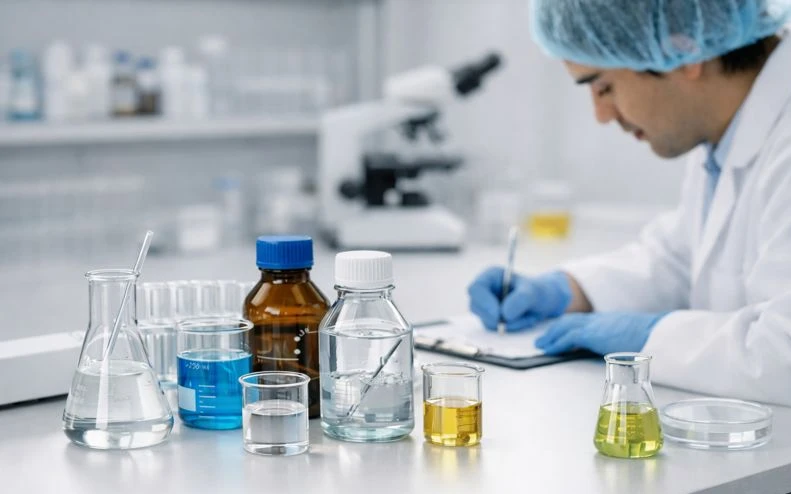
The Lab Guide: When to Use Soda Lime vs. Borosilicate.
Glassware can be the weakest link in a perfect workflow. The right glass lets you heat samples safely, keep things clean, maintain consistent results, and reduce breakage during da...
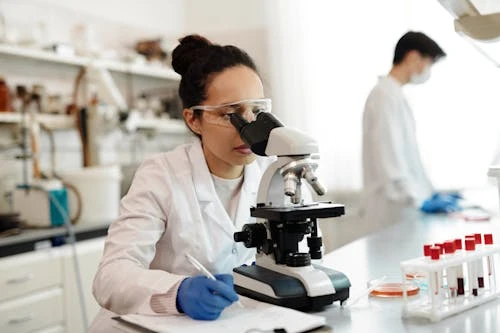
Better Viewing Starts With Right Microscope Design
Great microscopy comes from choosing a microscope that suits the job. Different samples need different viewing conditions, some require sharp detail, some need a stronger sense of ...
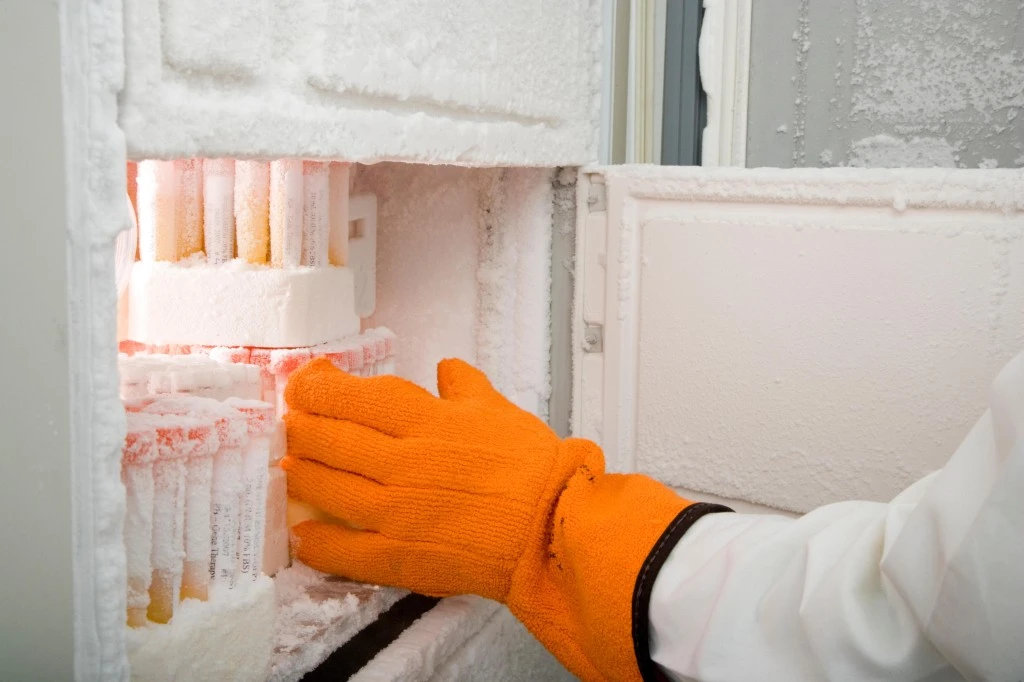
The Overview of Ultra Low Temperature Freezer.
Ultra-Low Temperature (ULT) freezer is an absolute necessity when you have valuable samples to protect. Covid-19 vaccines are just one of the many uses hence, there are a number of...
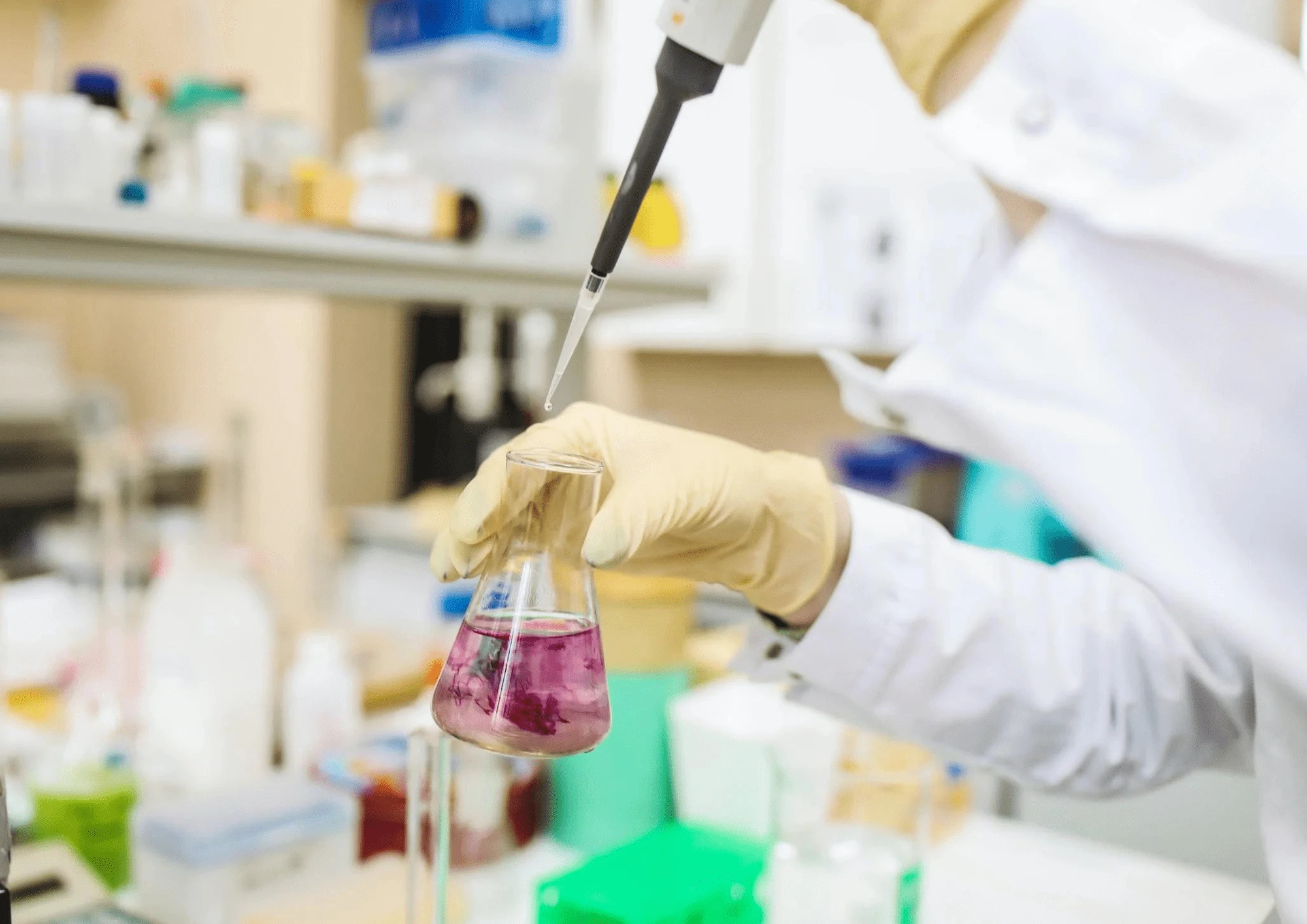
Must Have Pipettes Equipment Devices in Lab Facility.
Pipette is a primary equipment device used for measuring small quantities of liquid, particularly in volumes of milliliters & microliters. The use of a Pipette ensures precise resu...
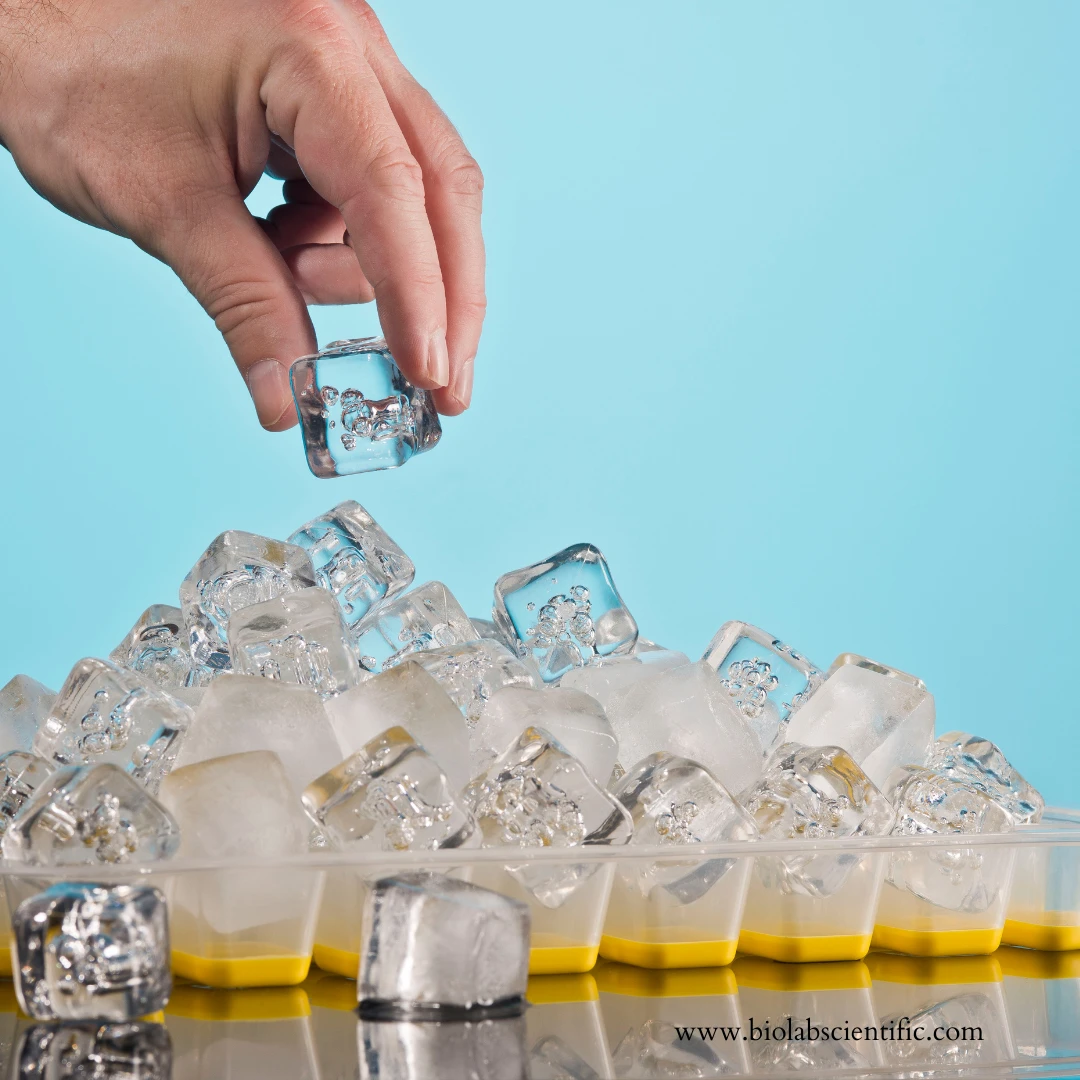
Most Reliable Ice Maker Machine for Industrial Use.
Ice Maker Machines by Biolab is taking over the worldwide industries for its versatility, durability, reliability, advanced technology, and energy efficiency. Designed to meet the ...
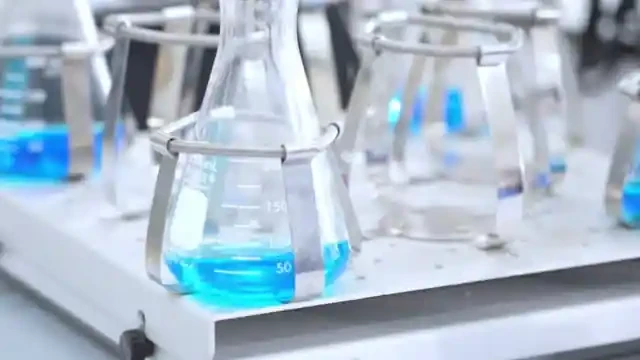
Shakers or Mixers - What's best for my Lab?
Mixers and Shakers are instruments that are used to form a homogenous mixture from more than one ingredients. They form an important part of any laboratory since they have applicat...
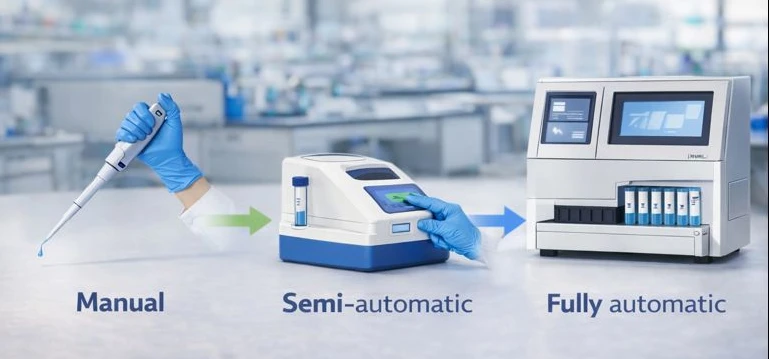
From Manual to Semi-Auto to Fully Auto: How Far Should Your Lab Go?
Automation is a big topic in labs today. Everywhere you look, there are systems that promise faster results, fewer mistakes, and less manual work. But choosing automation isn't abo...
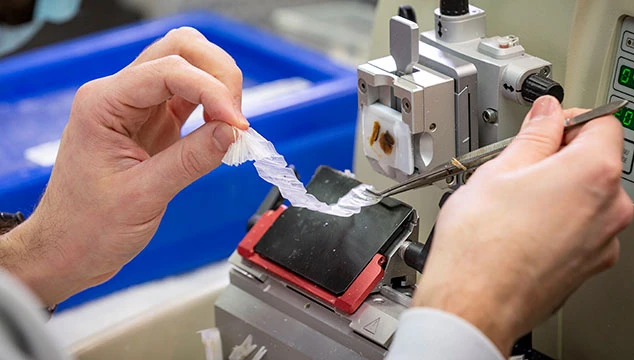
Revealing the Greater Details of Histopathology Equipment.
The modern histopathology laboratory is created with a focus on efficiency. Tissue dissection, slicing, preparation, probing, staining, and analysis necessitate the application of ...
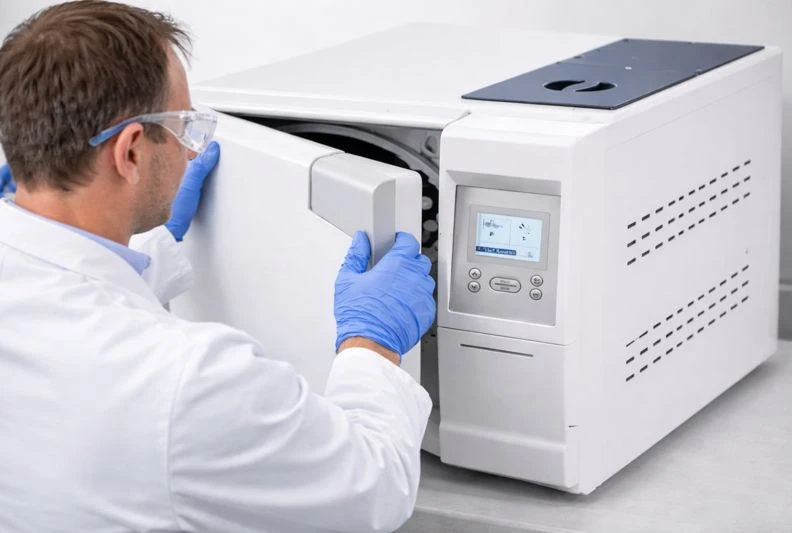
How to Choose the Right Autoclave for Your Lab: Capacity, Cycle Types, and Safety.
An Autoclave is not just a hot metal box, it's the final safety gate of your lab. If it's the wrong type, the wrong size, or missing the right cycles, the result isn't just a faile...
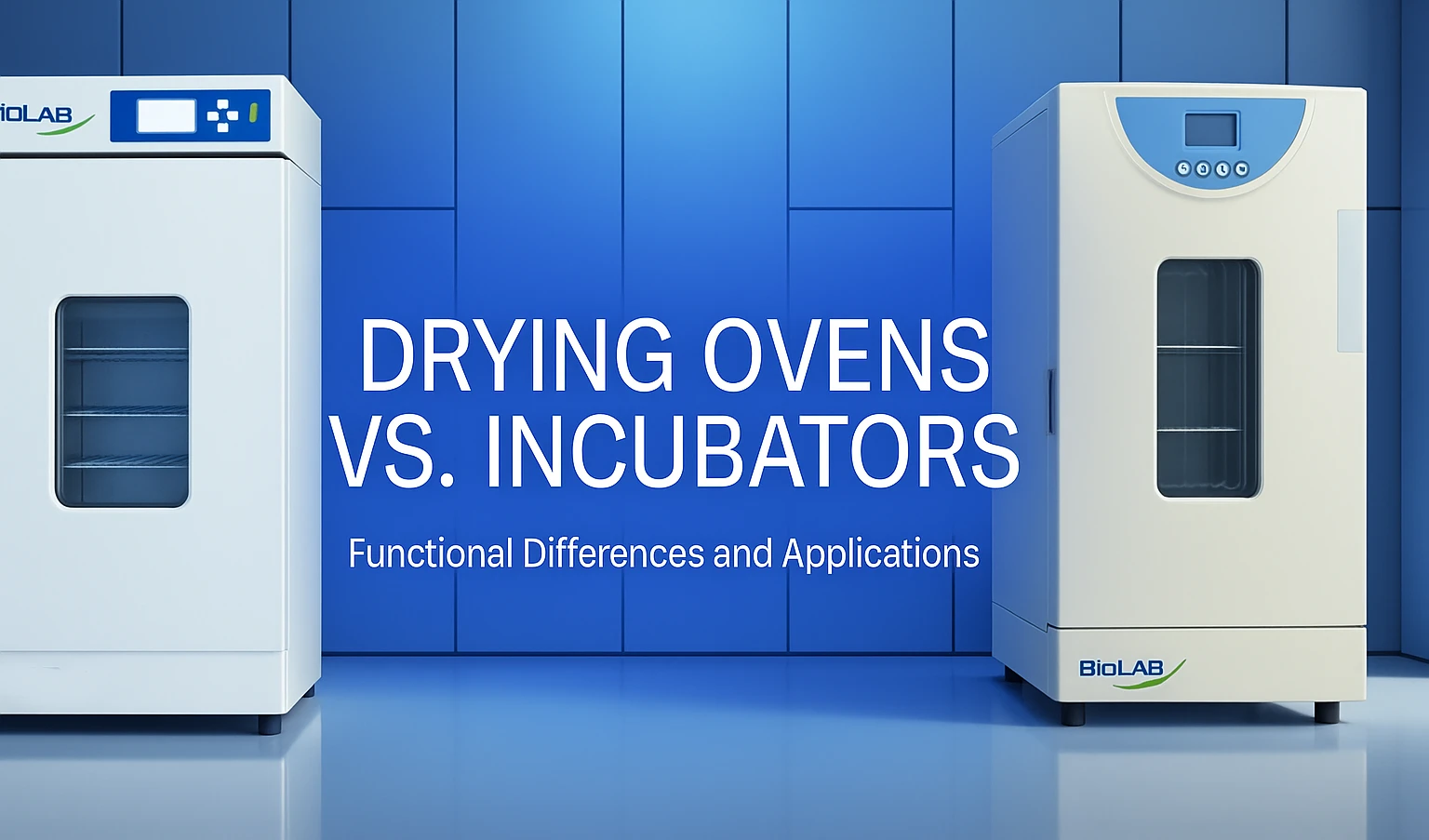
Drying Ovens vs. Incubators: Functional Differences and Applications
Two metal boxes, same steel doors, same digital displays but completely different jobs. One quietly dries glassware and materials, the other carefully protects cells, cultures and ...
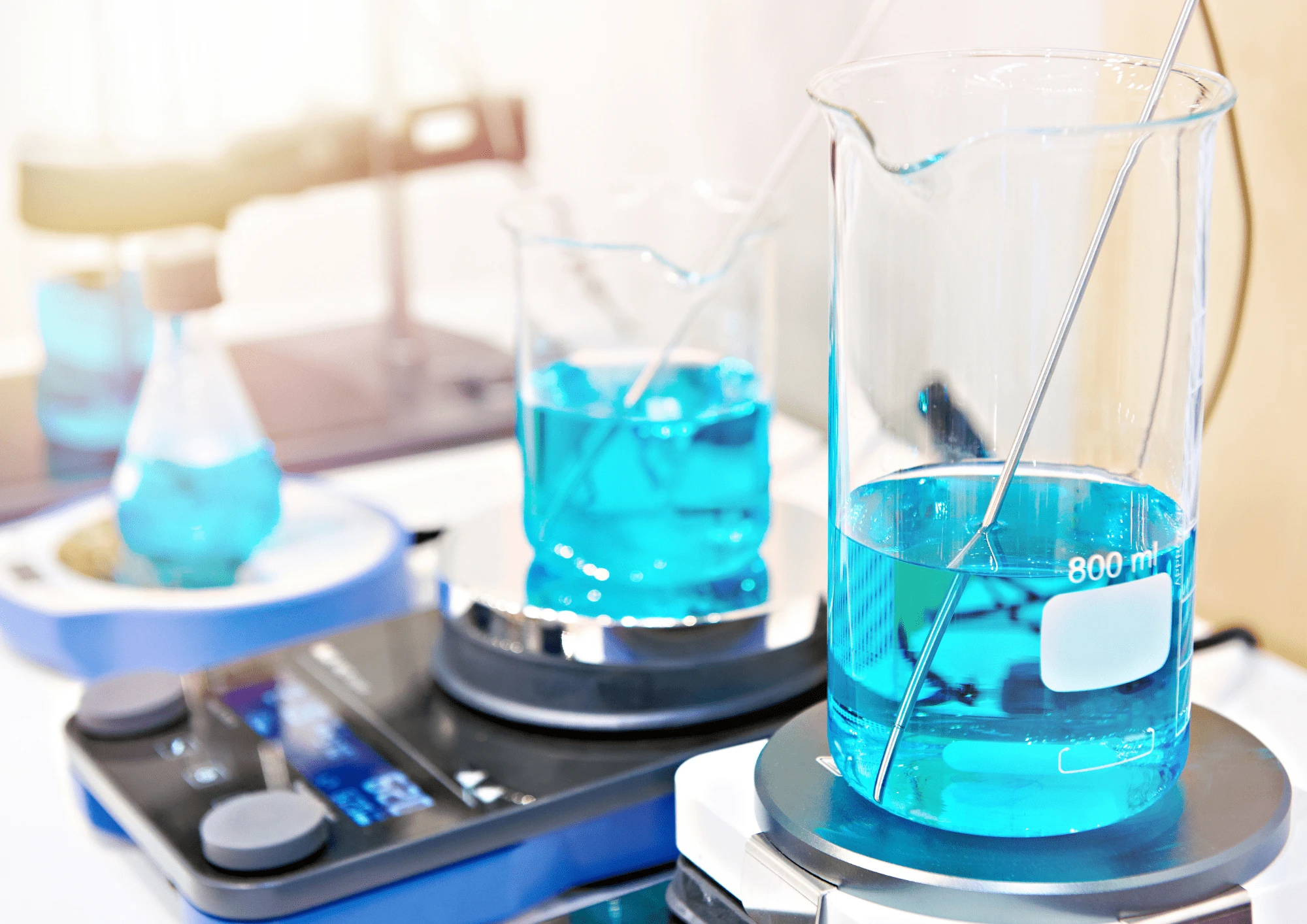
Role of Magnetic Stirrer to Conduct Biological and Chemical Experiments.
A Magnetic Stirrer is a Laboratory device that uses a rotating magnetic field to rotate a stir bar. The movement of the stir bar mixes the sample thoroughly with rapid movement and...
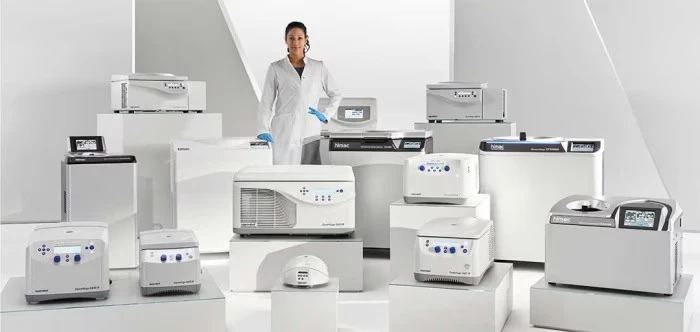
Benchtop vs Floor-Standing Lab Instruments: Pros and Cons for Your Lab
Setting up or upgrading a lab is not only about choosing brands and models.Very often, the first real decision is simpler but more important: should this instrument be a small benc...
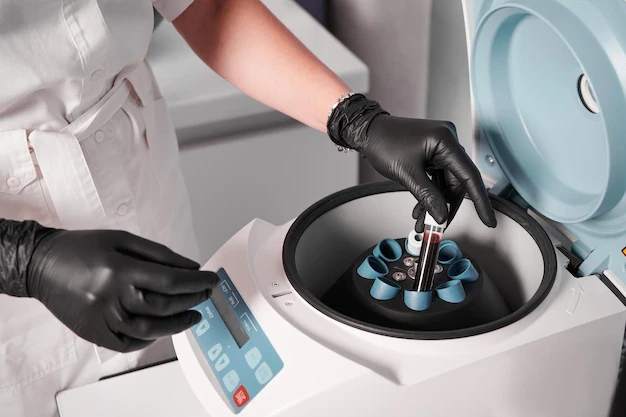
Things To Consider Before Buying A Laboratory Centrifuges.
Purchasing a centrifuge requires a significant upfront financial commitment depending on the number of units you require, the type of centrifuge you buy, and the accessories and cu...
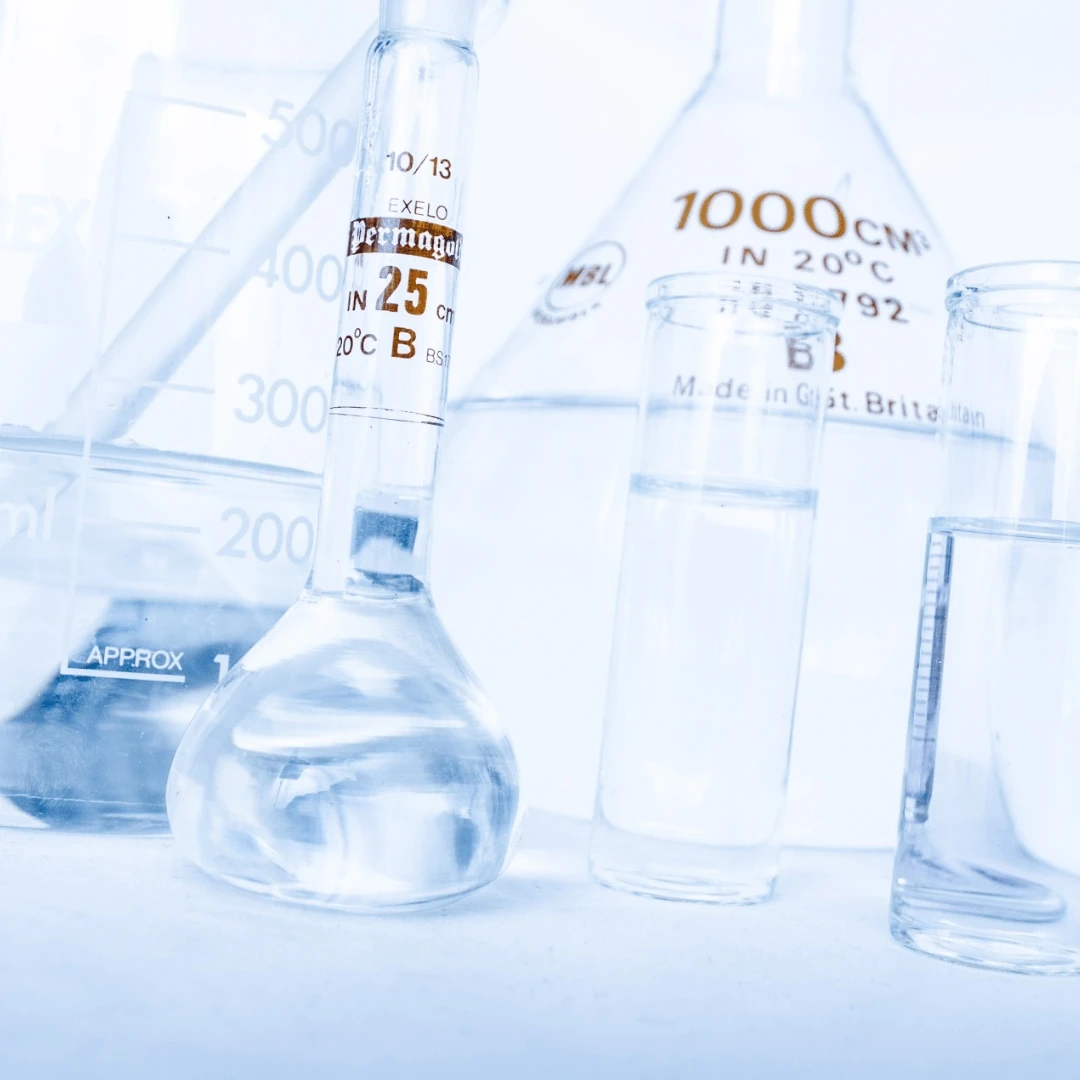
Reasons Why Laboratories Rely on Water Purification Systems.
Pure water is an important reagent to execute the experiment in research laboratories. Since water is deemed to be a universal solvent, the incorporation of water purity standards ...
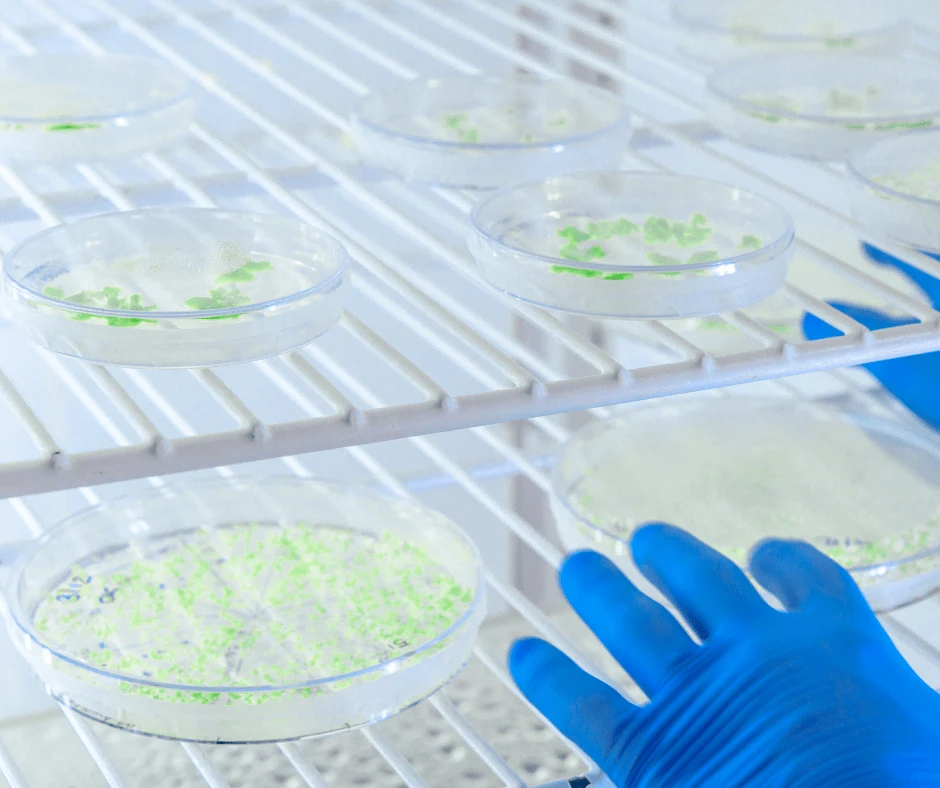
Refrigerator that complies with Medical & Laboratory Standards.
Refrigerators are designed for storage application in microbiology, chemical, pharmaceutical and research institutions. Ensures uniform temperature throughout the chambers by force...
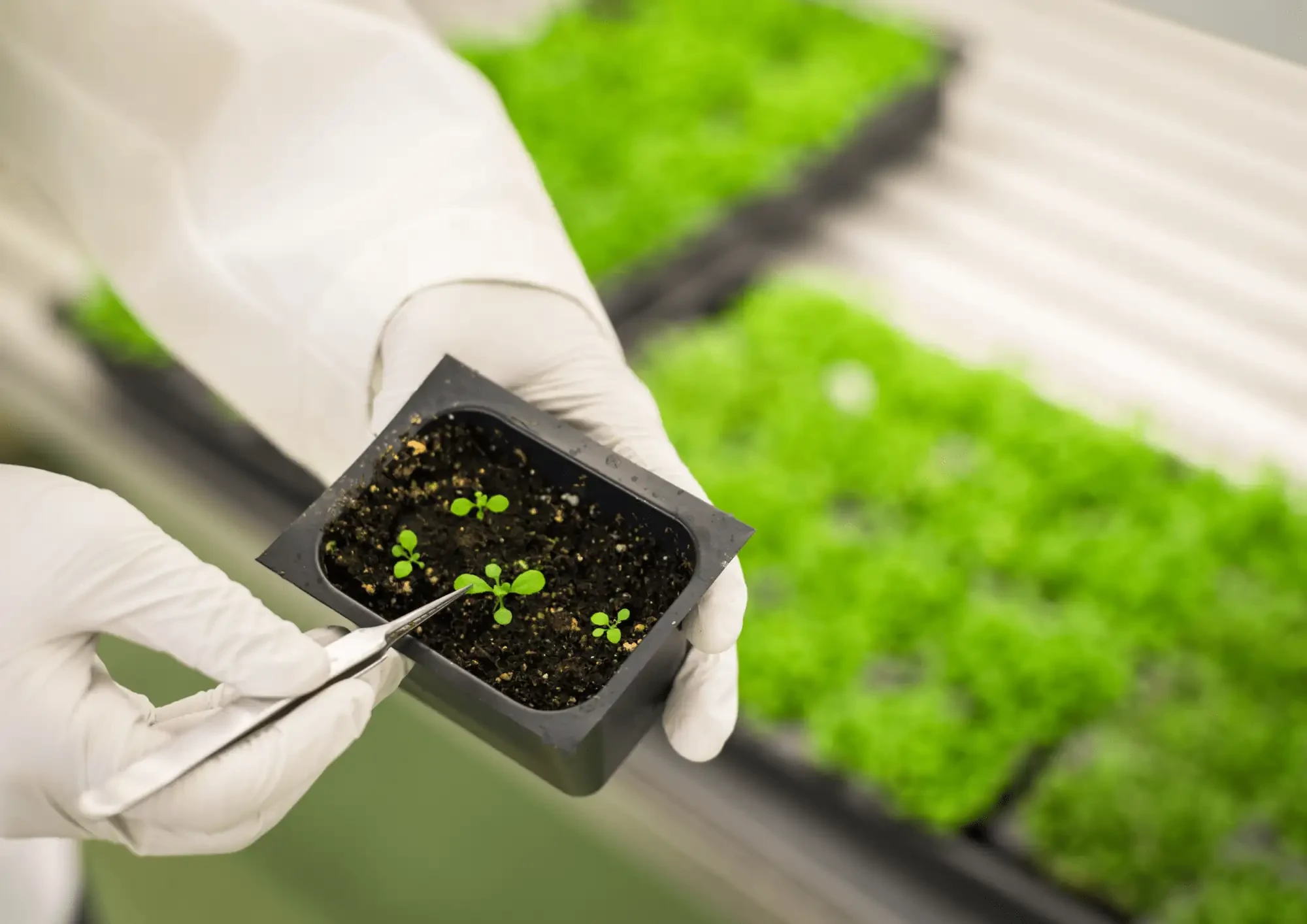
Need for Plant Growth Chamber to study Physiology of Plants.
To ensure the plants are healthy in terms of photosynthesis, cuticle, cell Walls, and reproduction, Plant growth chambers are essential for the study of plant Physiology.
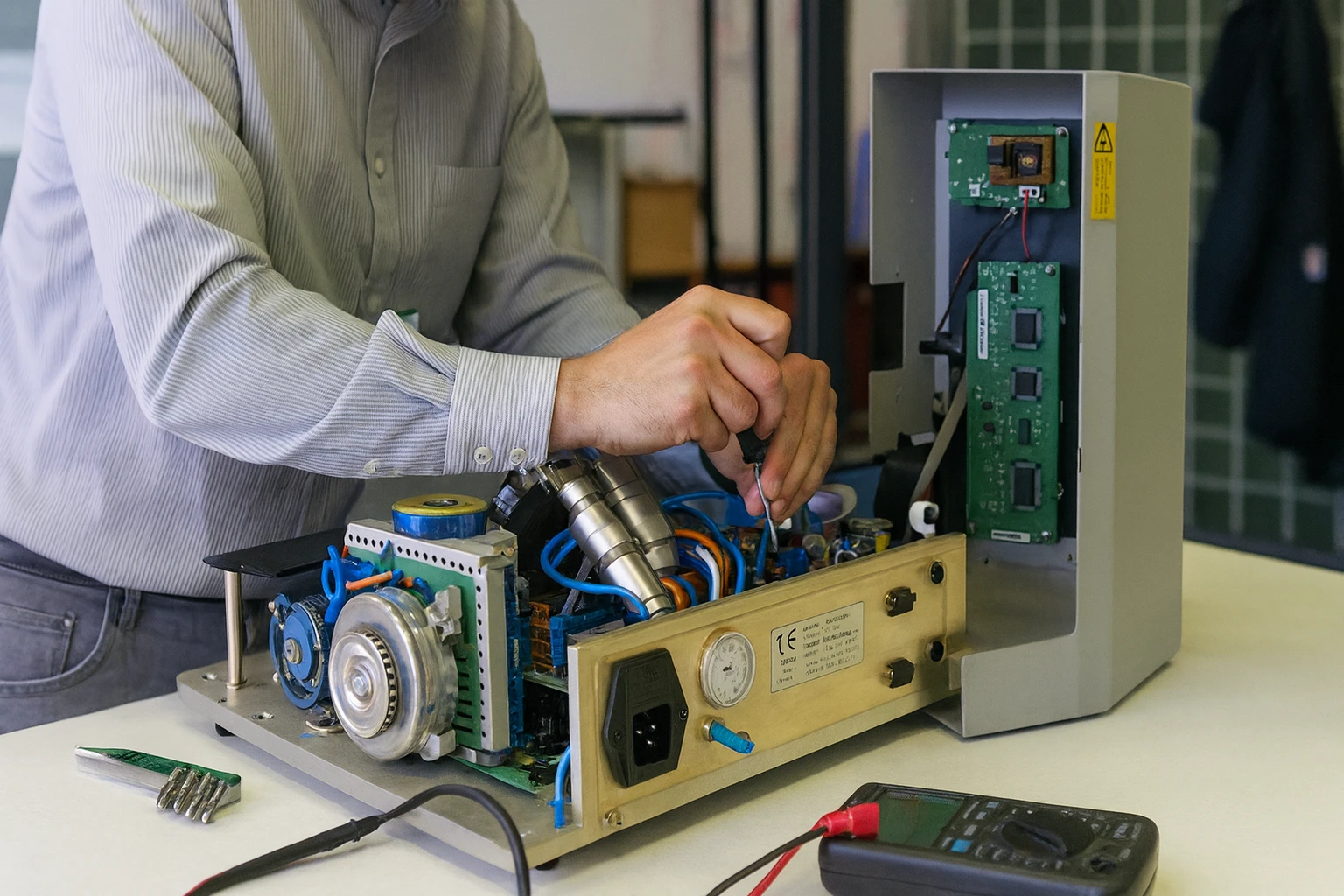
How Preventive Maintenance Extends the Life of Your Lab Equipment
Unexpected breakdowns don't just pause your experiments, they waste money, slow down projects, and stress your team. The best way to prevent this is to treat your lab equipment lik...