
Get Price
.webp)

Fast ResponseQuote in 24h
Global ShippingWorldwide delivery
Factory CalibratedQuality you can trust
Trusted by LabsReliable lab equipment
Best Sellers
Most requested products by labs and research facilities.
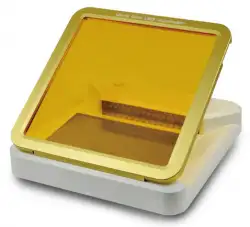
Gel Instrument BGEL-102
470nm•100x150mm•DC 24V Power Adapter
Request Price 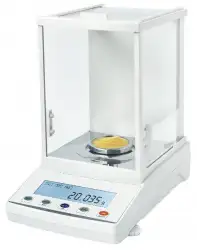
Precision Balance BBAL-103
300g•0.001g•0.004g
Request Price 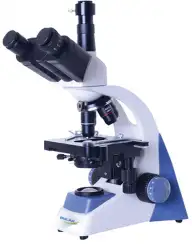
Biological Microscope BMIC-703
Compensation free trinocular head, 360° rotatable•4X, 10X, 40X(Spring), 100X(Spring, Oil)•Wide field eyepiece: WF10X(WF16X optional)
Request Price 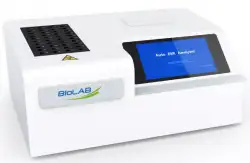
ESR Analyzer BANA-1400
Erythrocyte sedimentation rate analysis•Infrared detection•Westergren ESR value(mm/hour)
Request Price 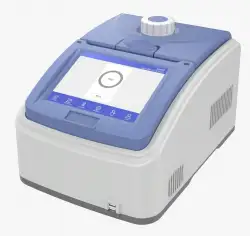
Thermal Cycler BTHC-108
96x0.2ml•0.1/0.2ml tube, 8 strips, 12 strips, Half skirt 96 wells plate, No skirt 96 wells plate•5-120μl
Request Price 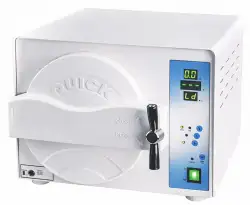
Benchtop Autoclave BAMN-404
23L•450x550x350 mm•φ249x450 mm
Request Price 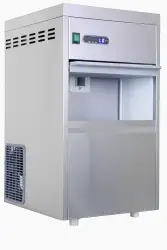
Ice Flaker BIFL-204
50kg/24h•15kg•Irregular small granular
Request Price 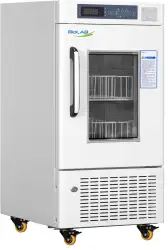
4°C Blood Bank Refrigerator BBBF-301
108L•4 ± 1°C•10~32°C
Request Price 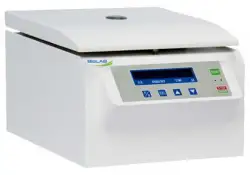
Hematocrit Centrifuge BCBH-307
12000rpm•15800xg•24 capillary tubes
Request Price 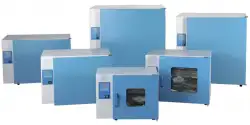
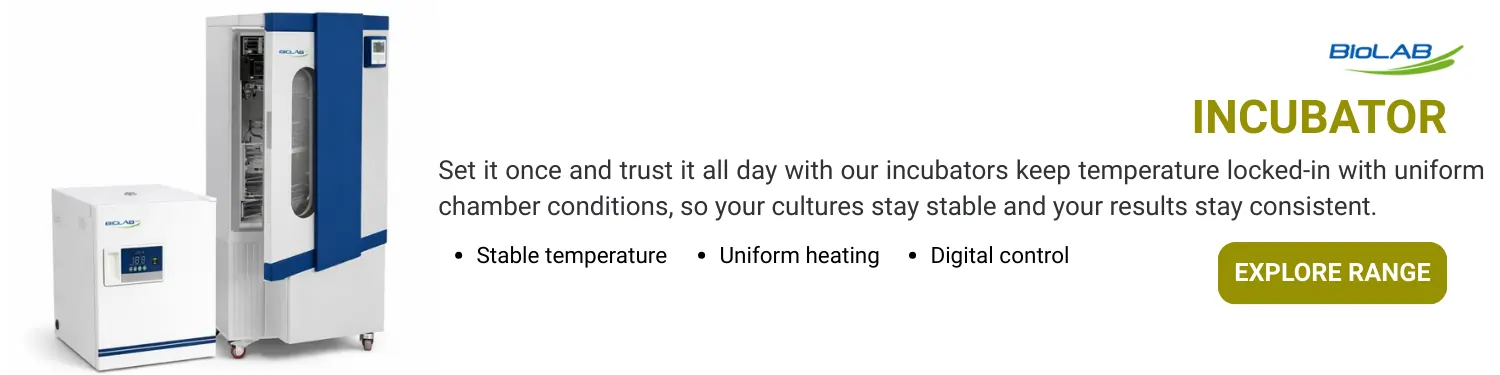
General Purpose Incubator BIGP-501
220V 50Hz•RT+5~65°C•0.1°C / ±0.5°C
Request Price Lab Equipment
Reliable instruments for accurate results and efficient workflows.
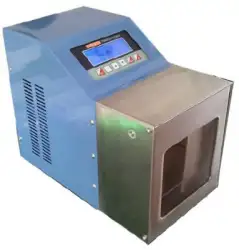
Stomacher
Yes•Microcomputer intelligent multi-segment programmable•LCD display
Request Price 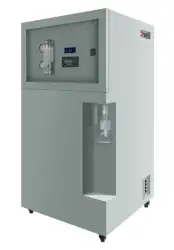
Water Purification System
60L/hr•Type I, Type III•Tap Water
Request Price 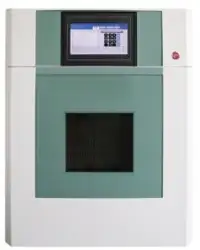
Microwave Digestion
72L, SS316•Professional microwave source, industrial microwave power supply•2450 MHz
Request Price 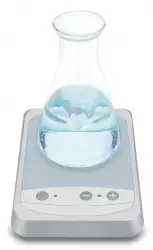
Stirrer
Ø90mm•PET•1
Request Price 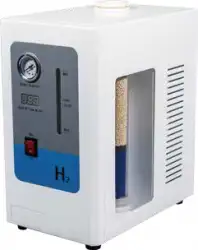
Gas Generator
0-300•0.3Mpa•99.999
Request Price 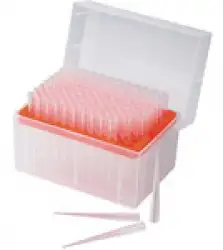
Pipette Consumables
1000 μl•10
Request Price 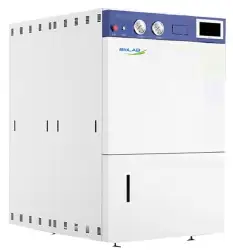
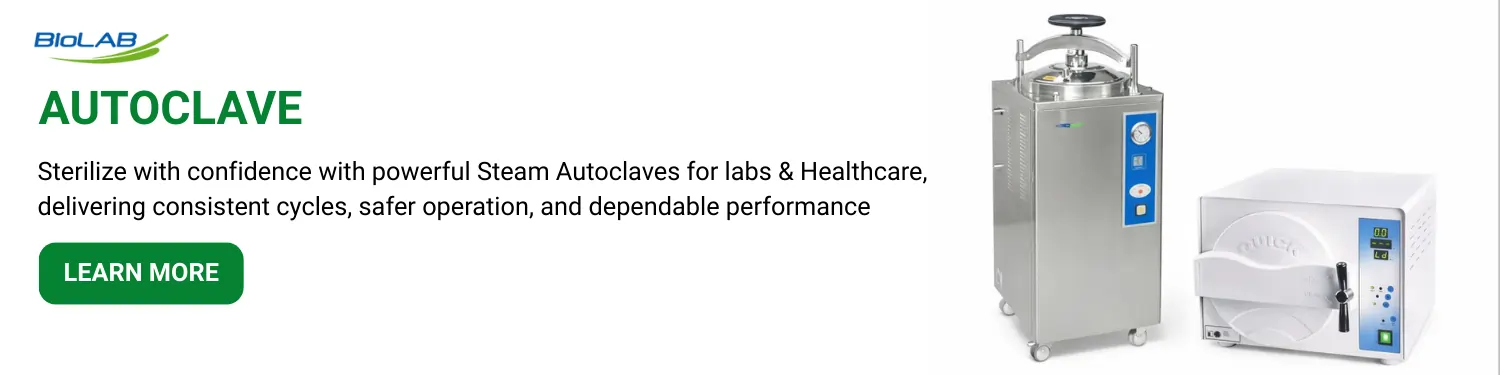
Autoclave
280L•115°C~135°C•0.28 MPa
Request Price Ice Maker
50kg/24h•15kg•Irregular small granular
Request Price 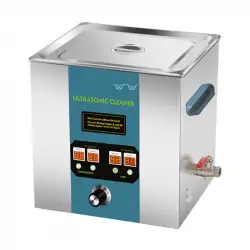
Ultrasonic Cleaner
20•53/68/80/100/132KHz•360
Request Price 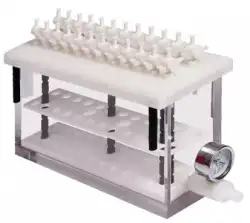
Automated Solid Phase Extraction System
36•Independent control•210*140*138
Request Price Analytical & Clinical
Analytical, clinical, and testing instruments for dependable lab results.
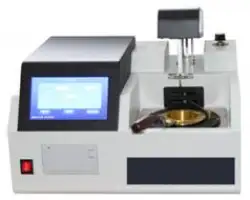
Petroleum Equipment
Electric ignition•3.2 mm ~ 4.8 mm•Ambient to 400°C
Request Price 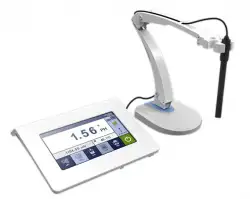
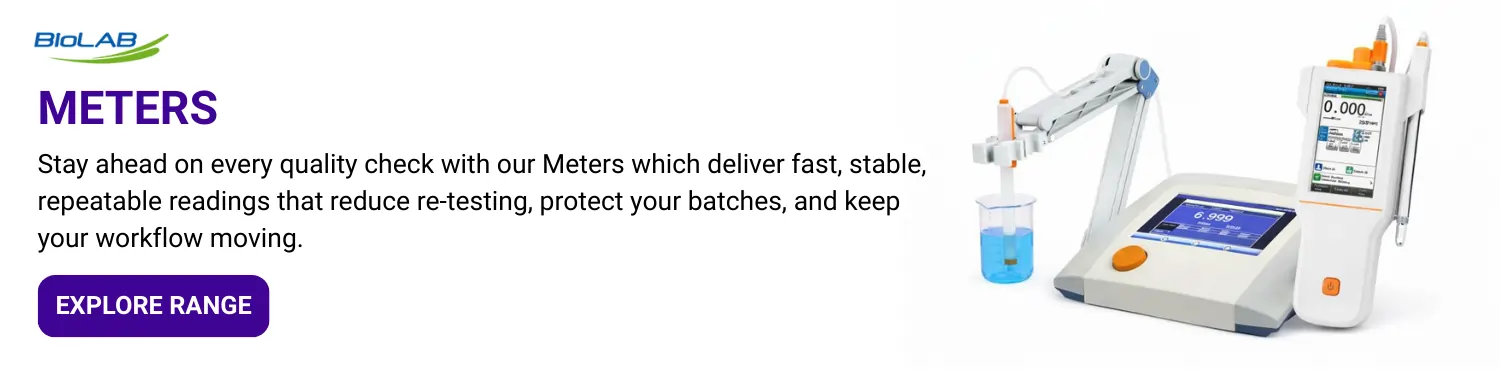
Meters
Conductivity: (0.00~20.00)μS/cm; (20.0~200.0)μS/cm; (200~2000)μS/cm; (2.00~20.00)mS/cm; (20.0~200.0)mS/cmTDS: (0~100) g/LSalinity:(0 ~ 100)pptResistivity:(0 ~ 100)MΩ·cm•0.01/0.1/1μS/cm; 0.01/0.1mS/cm•Meter: ±1.50% FS; Electrode: ±1.0% FS
Request Price 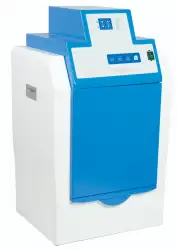
Gel Instrument
2560x1920•10 bit•5.4x5.4 (μm)
Request Price 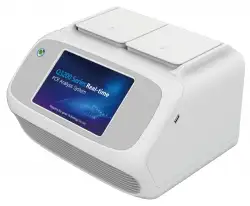
PCR
32x0.2ml(4x8well, dual block)•Clear 0.2 ml PCR tube /8-tube strips•15-100μl
Request Price 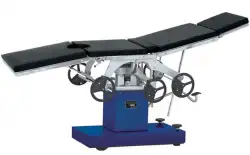
Operation Table
2100±50 mm•500±20 mm•(750~950) ±50 mm
Request Price 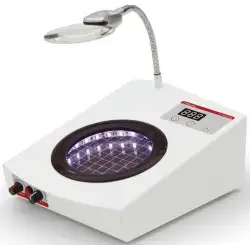
Colony Counter
White LED array•3-digit LED display•0-999
Request Price 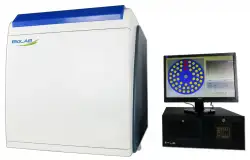
Blood Culture System
50 specimens•Negative pressure quantitative blood sampling•Constant temperature, rotating and shaking culture
Request Price 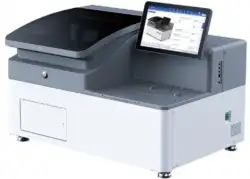
Analyzer
240T/H•Magnetic particle enzymatic chemiluminescence•Random, Batch and STAT
Request Price 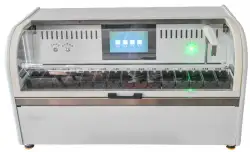
Histopathology Equipment
15•Automatic start-up saving cylinder•3
Request Price 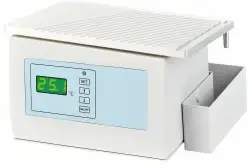
Paraffin Trimmer
Continuously adjustable within room temperature ~ 90°C•230x160 mm•AC 220V±10% 50Hz (standard model); AC110V±10% 60Hz
Request Price Tailored Lab SolutionsCan’t find the product you need or require a custom solution?Share your requirements with our product specialists, and we will help you identify the right equipment, configuration, and quantity for your application.
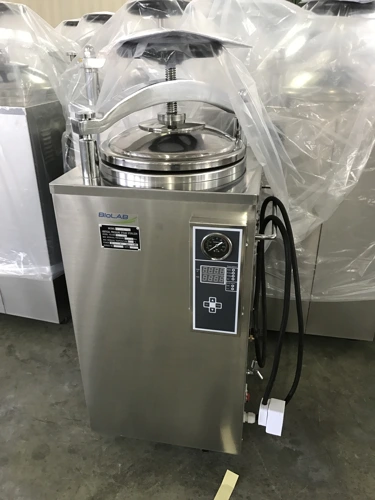
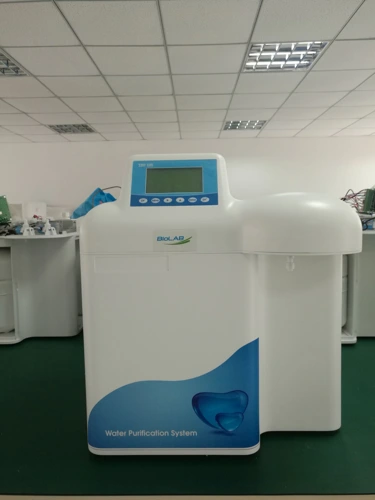
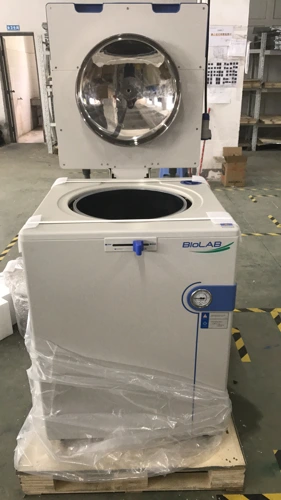
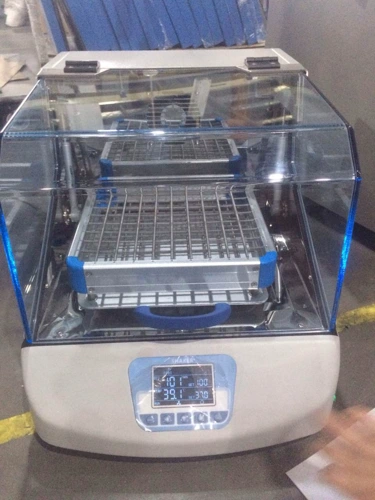
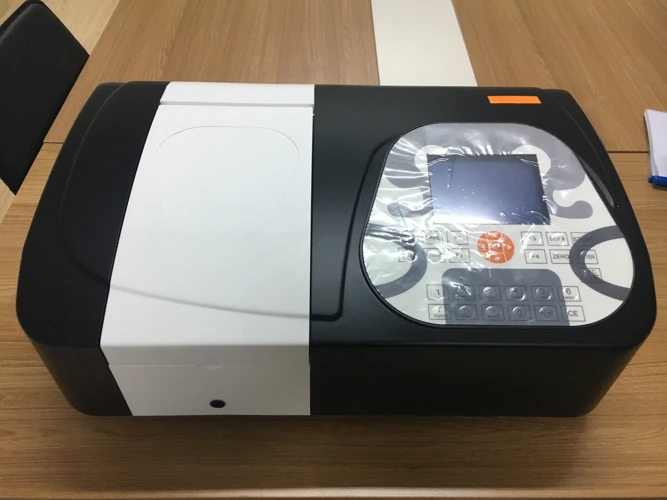
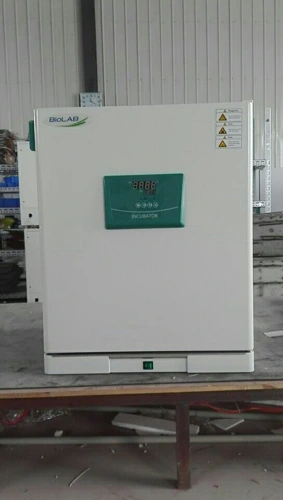
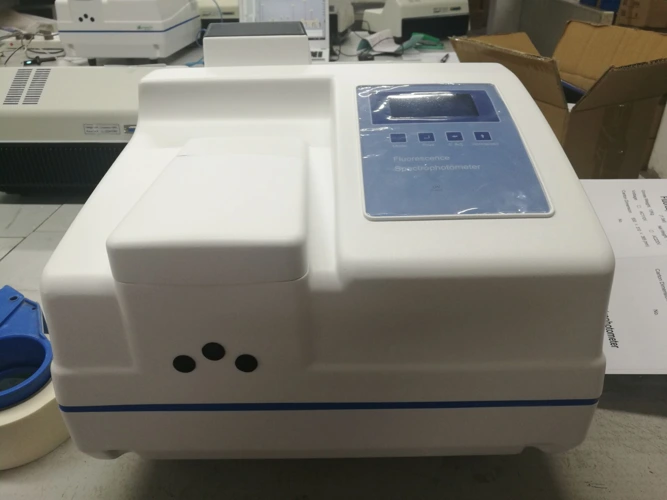
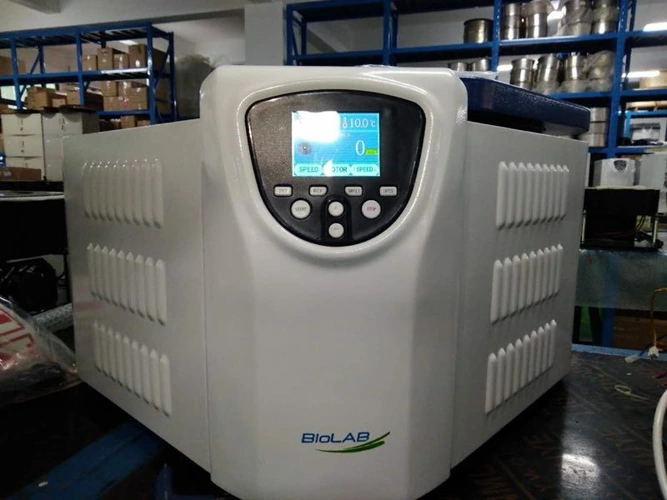
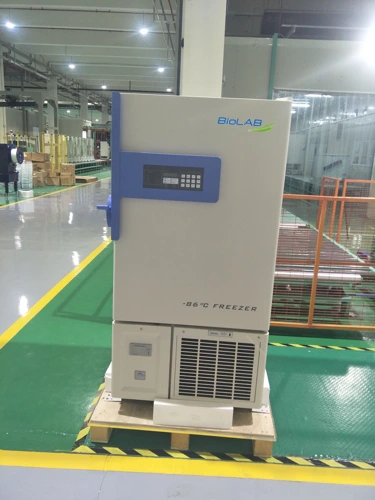
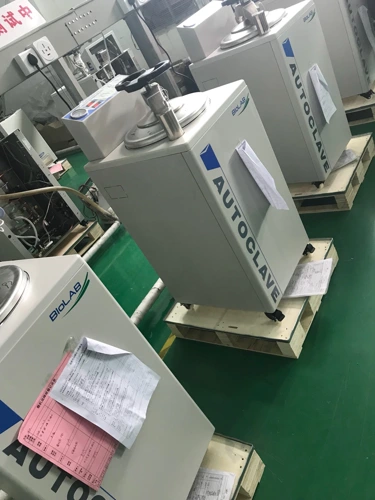
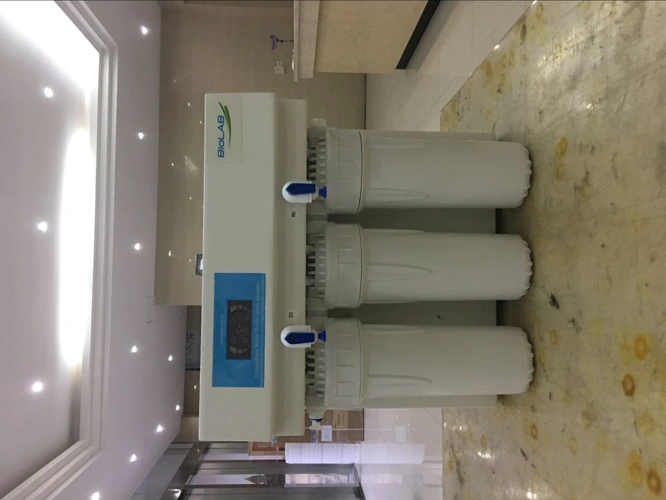
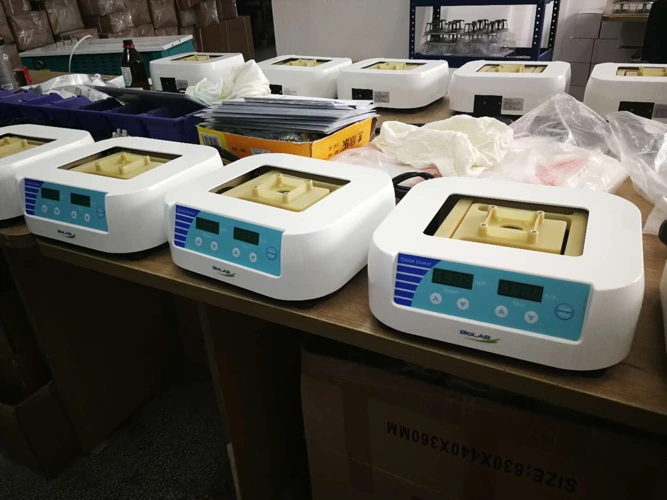
Inside Our Factory
A closer look at our manufacturing, quality checks, packing, and laboratory equipment.
Latest News & Updates
Explore product insights, laboratory updates, and the latest developments from Biolab Scientific.
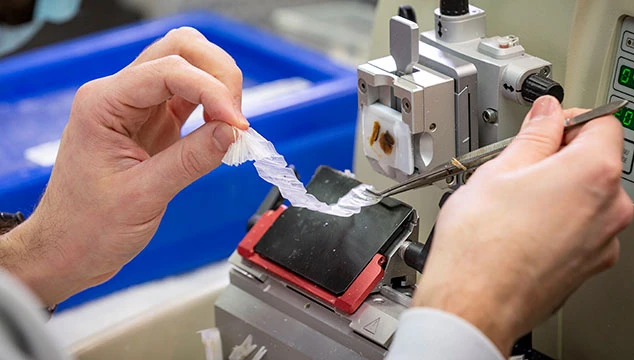
Revealing the Greater Details of Histopathology Equipment.
The modern histopathology laboratory is created with a focus on efficiency. Tissue dissection, slicing, preparation, probing, staining, and analysis necessitate the application of ...
Read Article
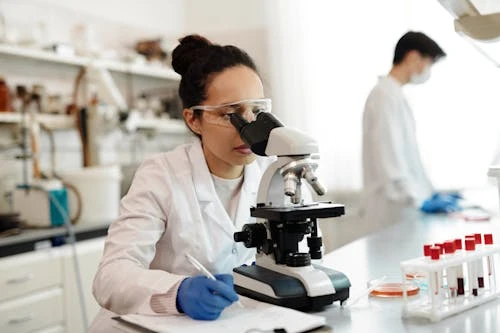
Better Viewing Starts With Right Microscope Design
Great microscopy comes from choosing a microscope that suits the job. Different samples need different viewing conditions, some require sharp detail, some need a stronger sense of ...
Read Article
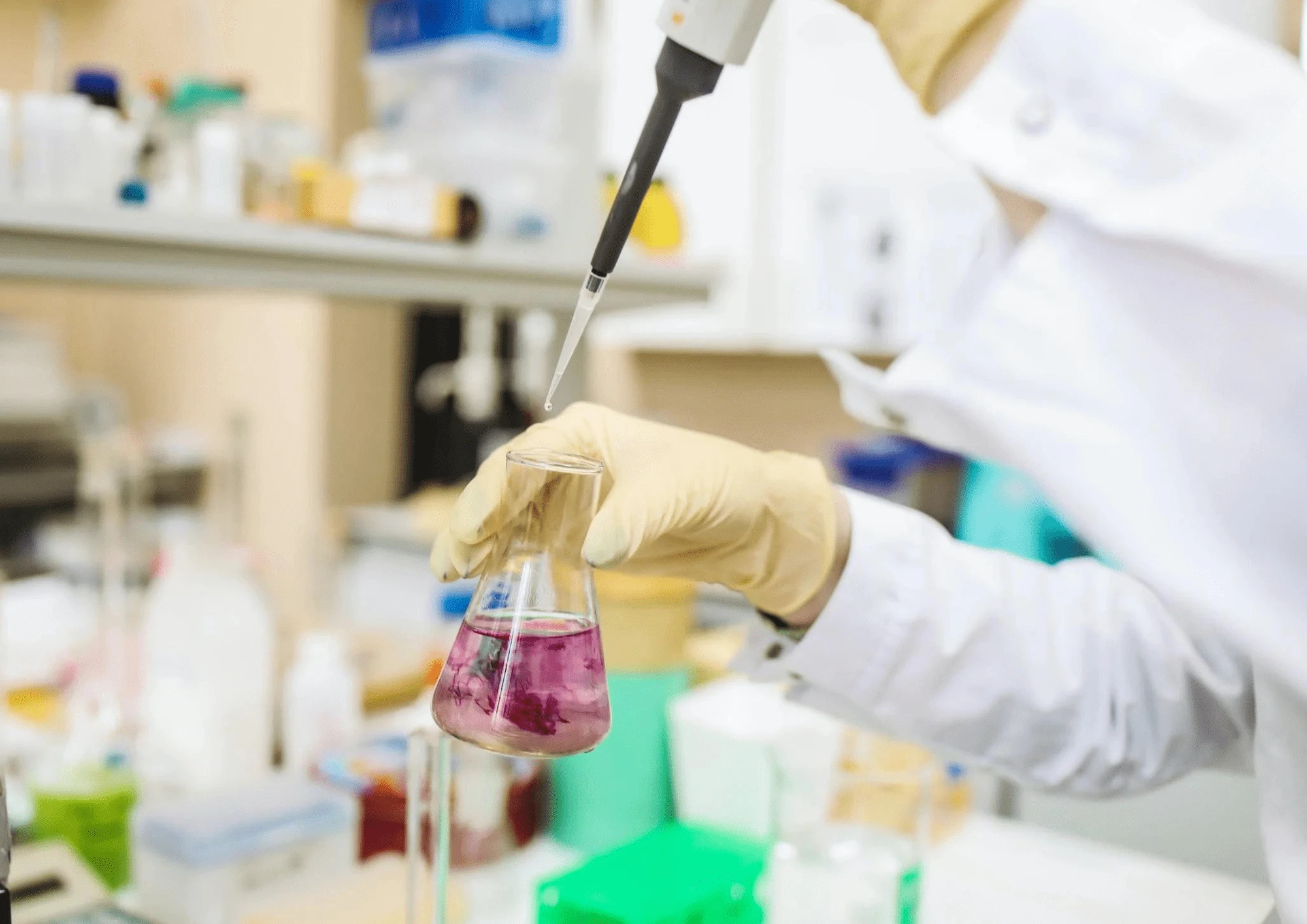
Must Have Pipettes Equipment Devices in Lab Facility.
Pipette is a primary equipment device used for measuring small quantities of liquid, particularly in volumes of milliliters & microliters. The use of a Pipette ensures precise resu...
Read Article
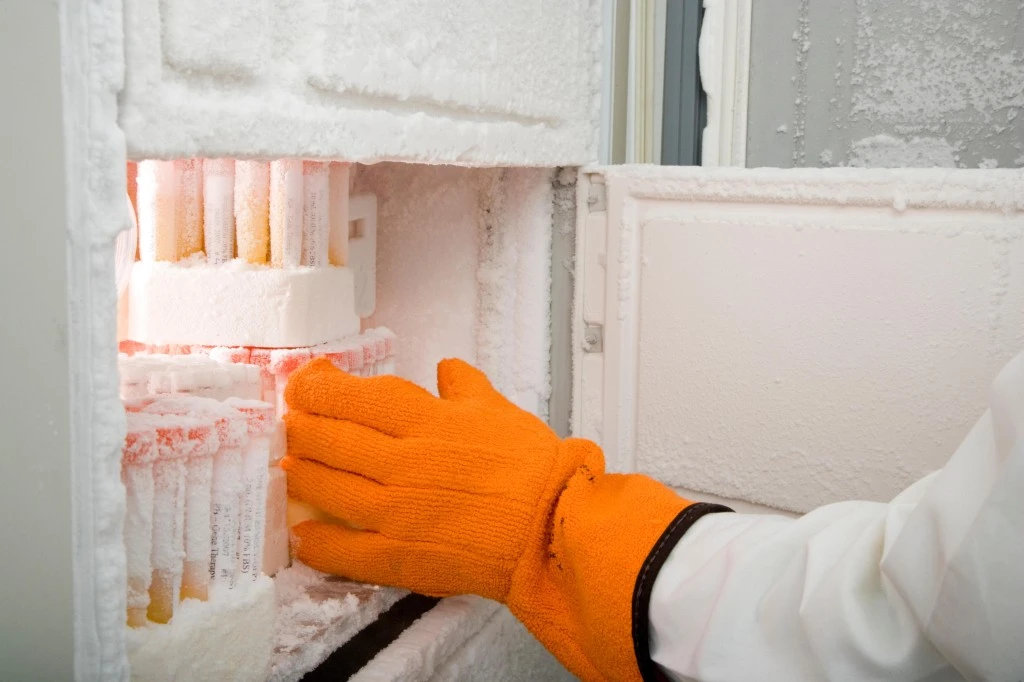
The Overview of Ultra Low Temperature Freezer.
Ultra-Low Temperature (ULT) freezer is an absolute necessity when you have valuable samples to protect. Covid-19 vaccines are just one of the many uses hence, there are a number of...
Read Article
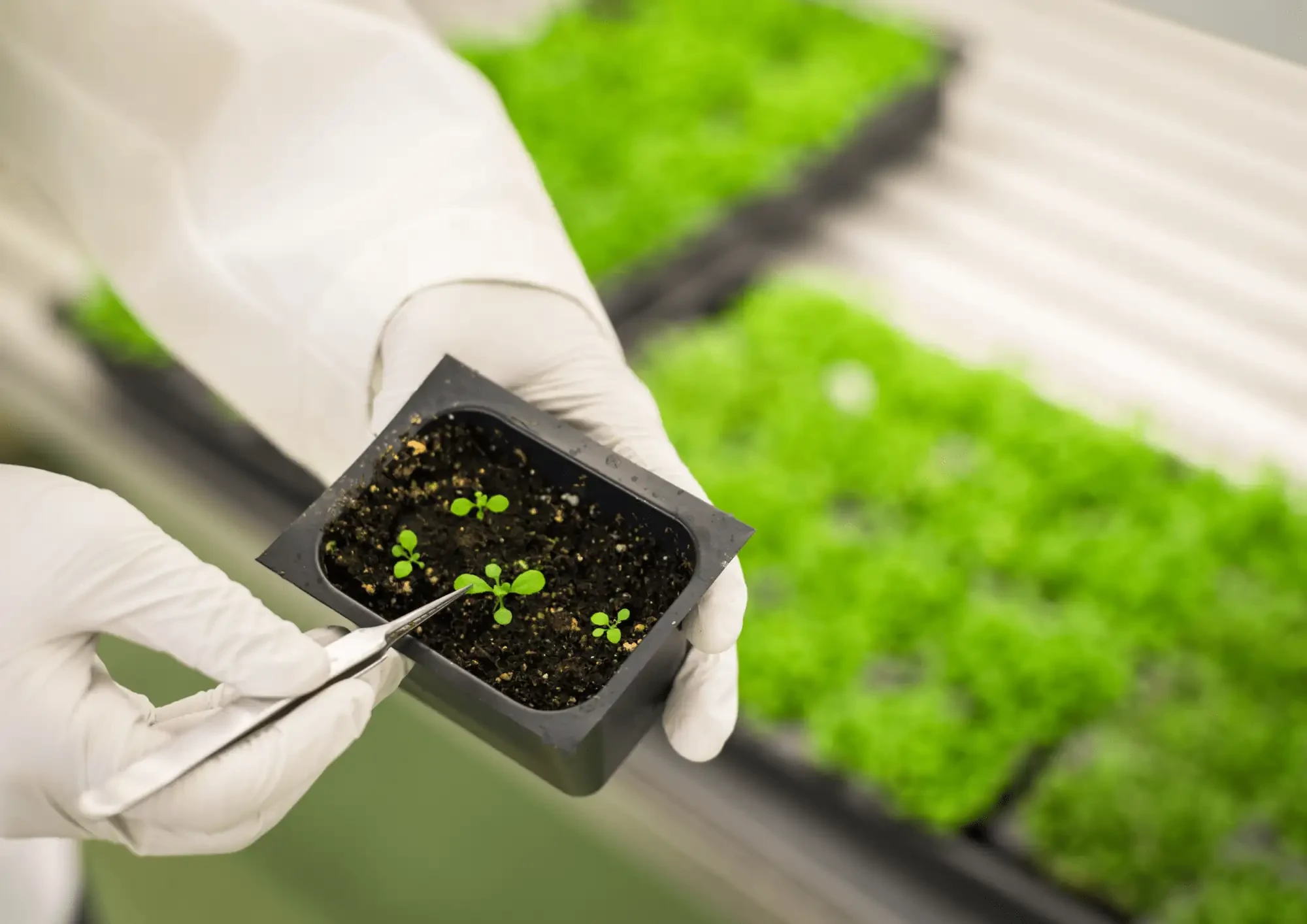
Need for Plant Growth Chamber to study Physiology of Plants.
To ensure the plants are healthy in terms of photosynthesis, cuticle, cell Walls, and reproduction, Plant growth chambers are essential for the study of plant Physiology.
Read Article
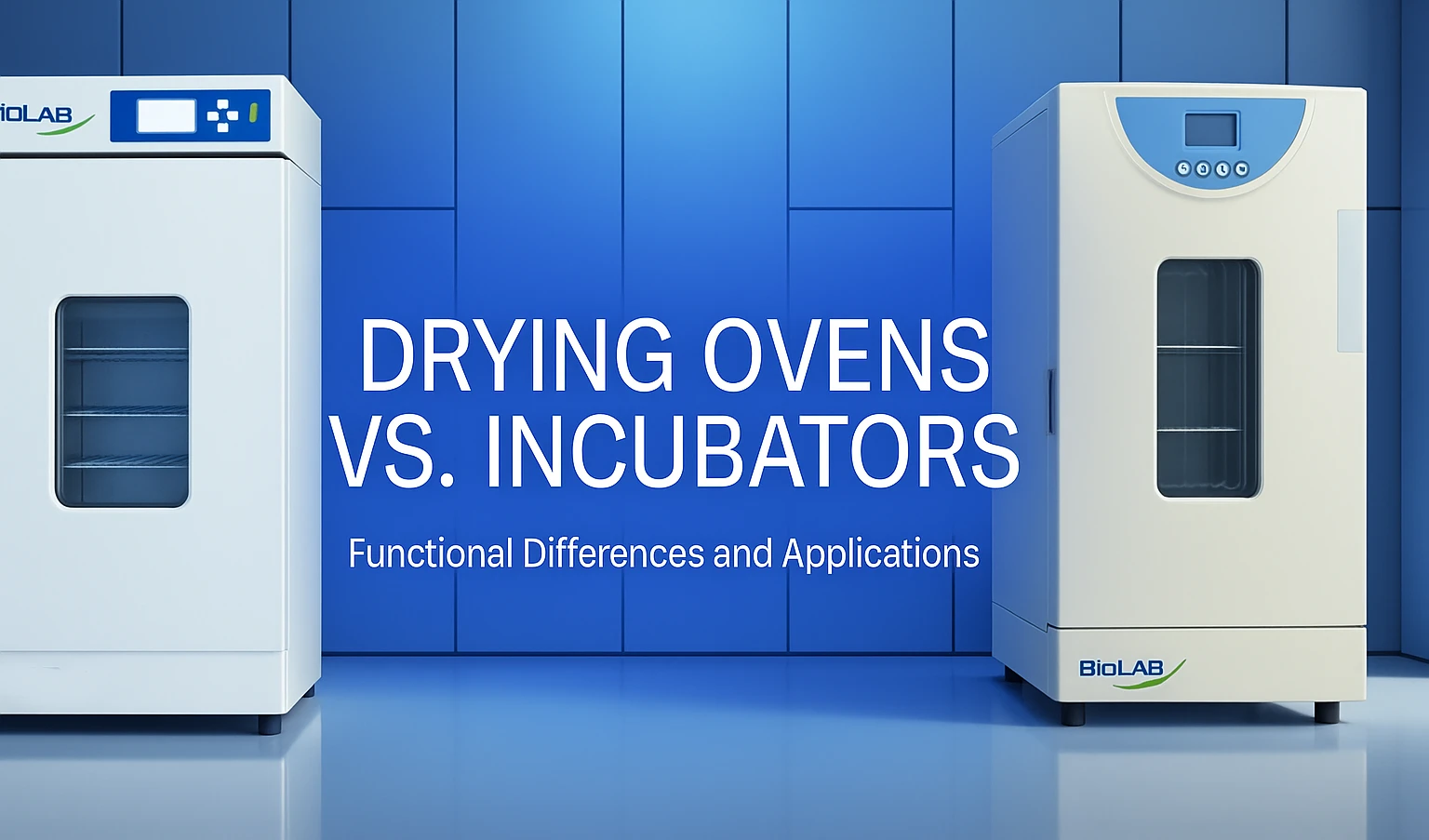
Drying Ovens vs. Incubators: Functional Differences and Applications
Two metal boxes, same steel doors, same digital displays but completely different jobs. One quietly dries glassware and materials, the other carefully protects cells, cultures and ...
Read Article